
Imagine opening a velvet box in your grandma’s attic. As you open it, a gold piece sparkles. It’s a piece of history that has lasted for years. This is why many love antique jewellery.
These historical adornments tell stories. Finding the right one can be hard. But this guide will help you start.
You’ll learn to find real, beautiful pieces. This way, you can build a collection that shows your style. Whether you’re new or experienced, you’re ready to explore antique jewellery.
Key Takeaways
- Learn to identify authentic historical pieces through careful inspection.
- Understand the vital role of craftsmanship in determining long-term value.
- Discover how to navigate the market with confidence and ease.
- Build a collection that honors both personal style and artistic heritage.
- Master the essential factors that define a high-quality vintage find.
Understanding the World of Antique Jewellery
Entering the world of antique jewellery is like opening a time capsule. Each piece is a tangible link to the past. They have lasted over a century to end up in your collection today.
These items are more than just accessories. They are historical artifacts. They tell the stories of the eras they were made in.
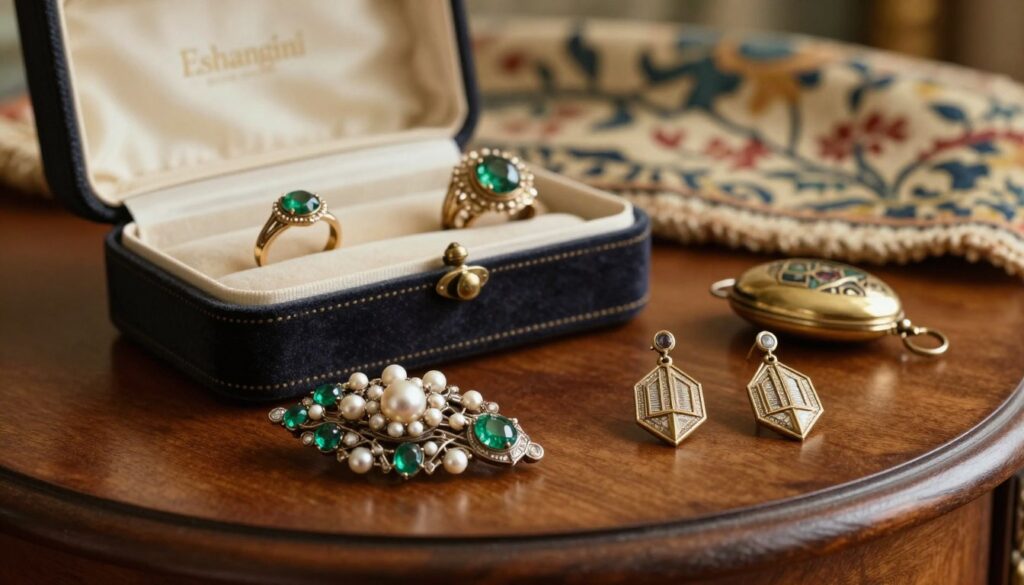
Buying these treasures brings both emotional and financial value. Many find the sentimental weight of a vintage piece more valuable than its price. Since they’re no longer made, they’re rare and sought after.
To succeed in this market, you need history knowledge and an eye for detail. You must learn to see the craftsmanship in antique jewellery. This way, you become a keeper of history, making sure these pieces are loved for years to come.
Defining the Eras of Antique Jewellery
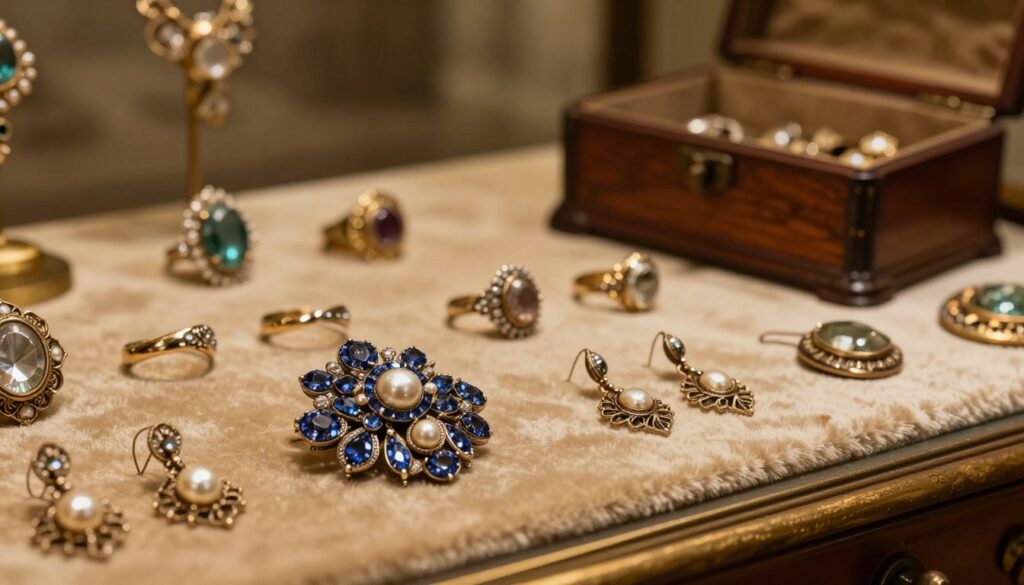
To truly appreciate your collection, you must understand the distinct eras that shaped the world of antique jewellery. Each period reflects the cultural values, technological advancements, and artistic trends of its time. By learning these characteristics, you can easily date a piece and understand the context of its creation.
Georgian Era Characteristics
The Georgian era lasted from 1714 to 1837. It is known for its intricate, hand-crafted beauty. These pieces were made before the Industrial Revolution, so every item was unique. You will often find stones set in closed-back settings, which were designed to reflect light back through the gem.
Victorian Era Symbolism
The Victorian period, named after Queen Victoria, is famous for its deep sentimental symbolism. Jewelry from this time often served as a token of love or a tribute to a lost loved one. You might encounter motifs like hearts, anchors, or snakes, which were popular ways to express personal emotions through antique jewellery.
Edwardian Elegance
The Edwardian era brought a shift toward refined elegance and lightness. Jewelers began using platinum, which allowed for delicate, lace-like metalwork that was impossible with gold alone. This period is defined by a sophisticated, airy aesthetic that remains highly sought after by modern collectors.
Art Deco Geometry
Following the First World War, the Art Deco movement introduced a bold, modern look. This style moved away from soft curves in favor of geometric shapes and vibrant color contrasts. It remains a favorite for those who appreciate the sharp, clean lines of 20th-century design.
| Era | Primary Material | Key Aesthetic |
|---|---|---|
| Georgian | Gold & Silver | Hand-forged, intricate |
| Victorian | Gold & Gemstones | Sentimental, nature-inspired |
| Edwardian | Platinum | Lace-like, delicate |
| Art Deco | Platinum & Enamel | Geometric, bold antique jewellery |
The Art of Craftsmanship in Historical Pieces
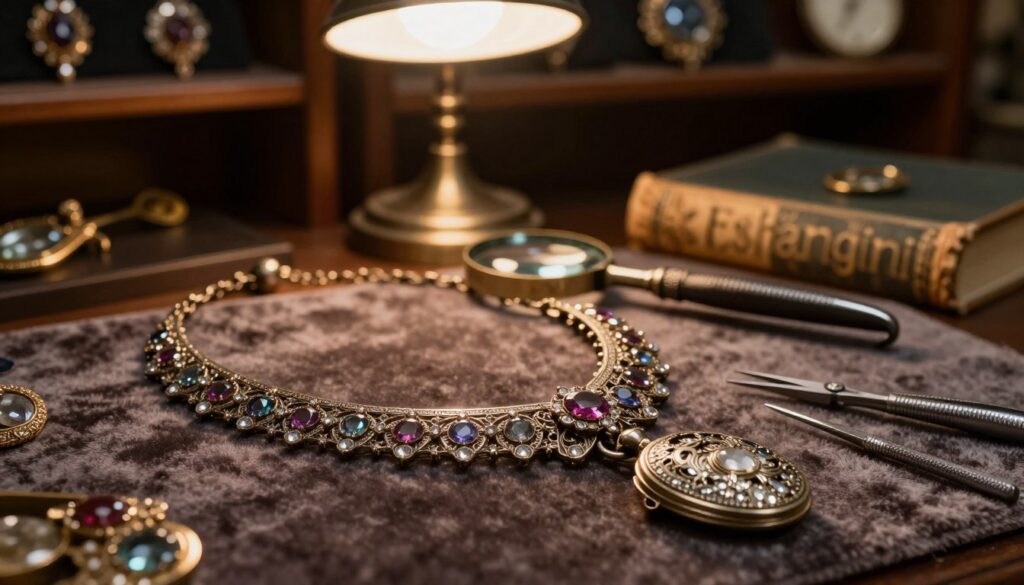
The secret to the beauty of old jewelry is the hard work of the past. Before factories, each piece was a unique creation made by a master. These items have a soul that mass-produced goods can’t match.
Hand-Forged Metalwork Techniques
Jewelers used hand-forging to shape metals long ago. They heated and hammered gold or silver until it was just right. This hard work made the metal strong and dense, unlike today’s methods.
Each hammer strike was made by a person, adding unique textures. These small details show the true hand-forged metalwork. Holding an antique piece, you feel the artisan’s hard work and skill.
The Evolution of Gemstone Cutting
How light shines in a gemstone has changed a lot over time. Early gem cutters focused on keeping the gem’s weight, not symmetry. This led to the beautiful, uneven facets of Old Mine and Old European cuts.
Historical stones were cut for candlelight, not bright lights. They have a warm, soft glow that feels cozy. Looking at these gems, you see how they interact with light in a special way, unlike today’s cuts.
Distinguishing Antique from Vintage and Estate Jewellery
Before you buy a piece of history, know the difference between antique jewellery, vintage jewelry, and estate jewelry. These terms mean different things to experts. Knowing them helps you talk to sellers and pay the right price.
An item is called antique jewellery if it’s over 100 years old. This means it must be from before the 1920s. People love these pieces for their history and old-time craftsmanship.
Vintage jewelry is for pieces 20 to 99 years old. They show off the fashion of the 20th century, like the 1970s or 1950s. They’re popular for their old-school look and feel.
Estate jewelry is about who owned it, not how old it is. Any piece owned by someone else is estate jewelry, no matter its age. Even a new ring can be called estate if it was in a private collection.
Understanding these terms helps avoid mistakes when you shop. Ask the right questions about age and who owned it. This way, you can find the perfect piece, whether it’s old or from a certain time.
Evaluating the Quality of Antique Diamond Rings
Looking at antique diamond rings is a fun journey. It connects you to the past’s artistry. These pieces were made by hand, not machines. This makes each stone special.
You need to see beyond today’s grading to truly value these gems. They have a unique soul.
Assessing Cut and Clarity in Old Mine Cuts
The Old Mine cut is special in antique diamond rings. It has a high crown and small table. Hand-cut, these diamonds shine differently than today’s.
They give off a warm, romantic light. This light is beautiful in candlelight.
When you look at these stones, remember:
- Symmetry: Look for slight variations. They show the stone was made by hand.
- Clarity: Find natural inclusions. They tell the stone’s story.
- Light Play: See how the diamond shines in different lights. It’s unique.
Checking for Original Settings and Prongs
It’s key to check your jewelry’s structure. Look at the prongs to see if they’re original. Original settings show wear that matches the ring’s age.
If prongs seem too thick or new, they might have been fixed. Authentic antique diamond rings should feel right on your finger. Make sure the stone doesn’t move too much. Loose settings can cause the stone to fall off.
How to Find a Reputable Antique Jewellery Dealer
Looking for a good antique jewelry dealer starts with knowing what makes them trustworthy. It’s key to find someone who knows what they’re doing. They help you avoid scams and build a collection you’ll love forever.
Verifying Authenticity and Provenance
When checking out a seller, look for clear documents. Provenance is the history of a piece, like who owned it before. A good dealer will share this info to show the item is real.
“The true value of an antique lies not just in its gold or gemstones, but in the story it carries through time.”
Choose dealers who belong to trade groups. These groups have rules for selling antique jewellery. If a seller can’t show a piece’s history or seems unsure, it’s best to leave.
Questions to Ask Before You Buy
Before buying, ask lots of questions. A good antique jewelry dealer is open and honest. Here’s what to ask to see if they’re the right choice:
- Can you provide a written appraisal or certificate of authenticity for this antique jewellery?
- Has this piece undergone any modern alterations or repairs?
- What is your return policy if the item is found to be misrepresented?
- How did you acquire this piece, and do you have any records of its previous ownership?
Working with a professional dealer gives you peace of mind. By asking the right questions, you make sure your purchase is safe and true. A good dealer wants you to be happy with your buy for a long time.
Step-by-Step Guide to Inspecting Your Potential Purchase
Learning to inspect things well can make you a smart collector. When you touch a piece of history, you help check if it’s real. By following a plan, you can make sure what you buy is the real deal.
Examining Hallmarks and Maker Marks
Hallmarks and maker marks are like fingerprints for old jewelry. They tell you where and when the piece was made. Always use a jeweler’s loupe to see these marks clearly.
Look for wear on the marks. Real marks on old pieces will show signs of aging. If the marks look too new, they might be fake. Keep a guide to help you understand different marks.
Testing for Metal Purity
Checking the metal is key to knowing a piece’s value. You can do simple checks to see if the metal is real. Real antique gold or silver stays shiny, even where it’s worn.
Here are things to look for:
- Discoloration or green spots mean it might not be solid metal.
- Gold and silver feel heavy in your hand.
- Wear that looks even all over is a sign of age, not damage.
Identifying Signs of Modern Alterations
Even real pieces can be changed to look modern. Look for signs of recent changes. Careful observation helps spot these.
Check these areas to see if the piece is original:
- Look for new soldering or welding on prongs and settings.
- Even cuts on gemstones might mean they were replaced.
- Backs of jewelry with different metal colors or resized bands are signs of changes.
By following these steps, you keep your collection valuable. Patience is key when checking an antique. If unsure, get a professional’s opinion before buying.
The Importance of Professional Antique Jewellery Appraisal
A professional appraisal connects your love for history with the real value of your collection. When you buy antique jewellery, you get more than a pretty piece. You get a piece of history that needs an expert’s eye.
Many people think any jeweler can value their items. But, a general jeweler might not know enough about old items. They need someone with deep knowledge of history and old-making skills.
It’s important to know the difference between replacement value and market value. Replacement value is for insurance, showing what it would cost to buy a similar item today. Market value is what someone might pay for it, which is key for selling or passing it down.
Having documents is key to keeping your investment safe. An appraisal report tells you all about your antique jewellery. It talks about the gemstones, metal, and history. This is indispensable for insurance claims or proving your collection’s worth to others.
Getting a professional antique jewelry appraisal makes you feel secure. With certified experts, you know your collection is valued right. And it’s safe from market changes.
Navigating the Antique Jewellery Store Experience
Looking for a rare piece of history is exciting. But, finding antique jewellery needs careful steps. Walking into a store is like starting a treasure hunt. It’s important to stay focused.
Before you go, pack a small kit. A jeweler’s loupe, soft cloth, and notebook are good. They help you see details and note interesting pieces.
At an antique jewelry store, take your time. Talk to the staff about the items. They can tell you the history of each piece.
Don’t rush to buy something big. Quality antique jewellery is for keeping forever. It’s okay to think about it before buying.
Here’s a checklist for your visit:
| Preparation Step | Action Item | Goal |
|---|---|---|
| Research | Identify specific eras | Focus your search |
| Tools | Carry a jeweler’s loupe | Inspect fine details |
| Communication | Ask about provenance | Verify authenticity |
| Mindset | Practice patience | Avoid impulse buys |
By following these tips, your visit will be fun and useful. Finding the right antique jewellery is a journey. Stay patient and enjoy the hunt.
Essential Tips for Antique Jewellery Restoration
Deciding how to handle your antique jewellery is tricky. You want to keep it wearable but also keep its history. Every collector faces this when their item shows age.
When to Repair and When to Preserve
The goal of antique jewelry restoration is to keep the piece safe. If a ring has a loose stone, you must fix it. But, small scratches or a soft look show its age and should stay.
Think about these things before fixing your item:
- Structural Safety: Fix it fast if it might fall apart or lose a gemstone.
- Historical Value: Don’t polish too much that removes marks or softens details.
- Wearability: Make sure it’s strong enough for daily wear.
Finding Specialized Artisans
Not all jewelers can do great antique jewellery work. You need someone who knows old techniques like hand-forging. Modern laser welding can harm delicate items.
Here’s how to find the right person for your antique jewelry restoration:
- Look at their past work on items from the same time.
- Check if they use old tools and methods.
- Make sure they tell you exactly what they’ll change and what they won’t.
Choosing a specialist keeps your antique jewellery beautiful and useful. The right expert helps keep your collection’s history alive for others to see.
Caring for Your Antique Jewellery Collection
Your antique jewelry collection needs special care. It’s like taking care of history. These pieces are delicate and need gentle hands.
Learning how to take care of them is important. This way, they will stay beautiful for a long time.
Safe Cleaning Methods for Delicate Pieces
Don’t use strong cleaners or ultrasonic machines on them. They can harm the stones or change the metal’s look. Instead, use warm water and a little bit of mild soap.
Use a soft brush to gently clean them. But be careful not to damage the settings. If you’re not sure, just wipe them with a soft cloth.
Remember, cleaning them the right way is important. It keeps them looking good without hurting them.
Proper Storage to Prevent Damage
How you store them is also key. Keep them away from moisture, sunlight, and pollution. This helps prevent damage.
Use good storage boxes or silk pouches to keep them safe. If it’s humid where you live, use silica gel packets. This way, you take good care of your antique jewelry collection and keep it beautiful for others to see.
The Cultural Significance of Antique Jewellery in India
In India, antique jewellery is more than just something to wear. It’s a part of our history. These pieces are often passed down in families, carrying stories and blessings from the past.
Having such a piece feels like a special connection to our heritage. It’s more than just something valuable; it’s a link to our roots.
Traditional Techniques and Regional Styles
India’s heritage is known for its amazing craftsmanship. Each region has its own style. For example, Kundan is famous in Rajasthan for setting gemstones in gold.
Meenakari is another art form that shows the beauty of antique jewellery. It’s a type of enamel painting on metal.
“Jewellery in India is not just an ornament; it is a language of identity, culture, and timeless beauty.”
Different areas in India have their own special designs. South India is known for its big, gold temple designs. The east is famous for its delicate filigree work.
Each style tells a story of the place and the people who made it.
Integrating Antique Pieces into Modern Indian Fashion
It might seem hard to mix old and new. But the trick is to balance your look. Pair a big, old piece with something simple.
For example, a big antique jewellery necklace can make a simple shirt or saree look fancy. It’s a way to mix old and new.
Here are some ideas to style your collection:
- Wear a vintage Jhumka with a modern dress for a bold look.
- Layer thin antique chains over a white blouse for a chic outfit.
- Use a traditional brooch to hold a modern scarf or shawl.
By mixing old and new, you celebrate history and show your own style. Wearing antique jewellery every day keeps these traditions alive.
Common Pitfalls to Avoid When Buying Antique Jewellery
Many buyers miss the signs that tell if something is real or fake. The charm of antique jewellery is strong, but there are many fakes out there. Knowing what to look for can save you from big mistakes.
Spotting Reproductions and Fakes
Look at the wear on a piece closely. Real items show natural, uneven aging that’s hard to fake. If the wear looks too perfect, it might be a fake.
Check for marks that don’t fit the era. Modern marks on old pieces are a big warning sign. Remember these clues:
- Inconsistent patina: Real age has a deep, layered look.
- Modern hallmarks: Stamps from the wrong time are a red flag.
- Perfect symmetry: Hand-made items have small, charming flaws.
Understanding the Impact of Condition on Value
The state of vintage jewelry greatly affects its value. Some wear is okay, but big damage lowers the price. Think about repair costs versus the item’s rarity.
Missing stones, bent parts, or bad soldering harm the item’s structure. Always check every part before buying.
| Feature | Authentic Antique | Modern Reproduction |
|---|---|---|
| Metal Finish | Natural, uneven patina | Uniform, chemical-induced |
| Gemstone Cut | Hand-cut, unique facets | Machine-cut, standardized |
| Construction | Hand-forged, soldered | Cast, mass-produced |
Being patient is key when collecting antique jewellery. Carefully check each piece’s condition and authenticity. This way, your collection stays valuable and beautiful for a long time.
Building Your Personal Antique Jewellery Collection
Starting a antique jewellery collection is exciting. It lets you keep history alive. You get to pick pieces that show who you are and what you love.
It’s important to have a budget before you start. Quality is more important than how many pieces you have at first. Choose one special piece over many that are not as good.
Choosing a theme can make your collection special. You might like Victorian metalwork or Art Deco’s bold shapes. Think about what you like best.
- Define your focus: Pick what you want to collect, like rings or brooches.
- Research thoroughly: Learn about the marks and skills of your favorite era.
- Build relationships: Find good dealers who sell real antique jewellery.
As your collection grows, be patient. Don’t rush to buy things. Each piece should make you happy and tell a story. This way, your collection will be a treasure that shows your love for history and your own story.
Conclusion
Collecting antique jewelry connects your style to history. Each piece tells a story that goes beyond today’s trends.
You know how to spot real craftsmanship and value. Use this to pick pieces that show your taste and love for art.
Enjoying these items means feeling a bond with past artists. Whether it’s a Victorian brooch or an Art Deco ring, your choices help keep history alive.
Keep discovering antique jewelry with excitement and patience. Your adventure will bring you beauty that will last for years. Share your love for these treasures and keep admiring their timeless beauty.